
As we grow older, the body begins to change in ways we often don’t immediately notice. Energy levels may dip, bones can weaken, memory may not feel as sharp, and immunity can take a hit. After the age of 50, the body also becomes less efficient at absorbing essential nutrients. This makes a balanced diet and the right intake of vitamins more important than ever. While vitamins are required in small amounts, their impact on overall health is significant, helping you stay active, resilient and independent even as the years go by.
Why Vitamin D Becomes Essential With Age

Often referred to as the “sunshine vitamin”, Vitamin D is produced when the skin is exposed to sunlight. However, as age increases, the body’s ability to generate it naturally declines. This is why deficiency is more commonly seen in older adults.
Vitamin D plays a key role in helping the body absorb calcium, which is crucial for maintaining strong bones. Without it, bones can become fragile, increasing the risk of fractures. Research also suggests that adequate levels of Vitamin D may help reduce the chances of developing osteoporosis, a condition that weakens bones over time.
The Role Of Calcium And Vitamin B12

Calcium remains a cornerstone of good health after 50, especially as bone density gradually decreases with age. For women, this process often accelerates after menopause, making calcium intake even more important. Everyday foods such as milk, yoghurt, paneer and leafy greens can help meet this need.
At the same time, Vitamin B12 deserves equal attention. It supports brain function and helps in the production of red blood cells. However, with age, the body absorbs less of this vital nutrient. This can lead to symptoms such as fatigue, weakness and even memory-related concerns, issues that can quietly affect quality of life if ignored.
Why Vitamins C, E And K Should Not Be Overlooked
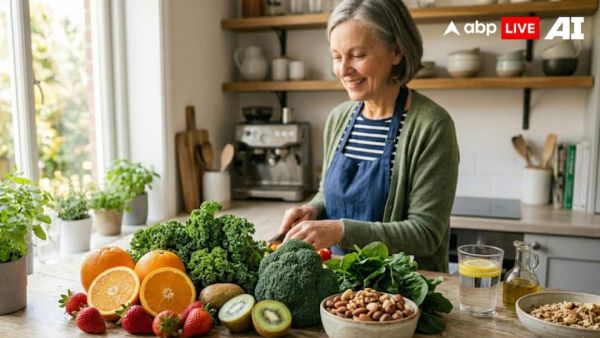
Vitamin C plays a crucial role in strengthening the immune system. It also aids in tissue repair and supports healthy skin, making it an important nutrient for overall wellbeing. Foods like oranges, strawberries, kiwi and broccoli are excellent sources.
Vitamin E acts as a powerful antioxidant, helping protect cells from damage caused by free radicals. Meanwhile, Vitamin K contributes to proper blood clotting and supports bone strength. Green vegetables such as spinach, kale and broccoli are particularly rich in this nutrient.
-
Sweet potatoes are beneficial for health, but for whom? Know complete information
-
Summer Skincare: From liquorice to turmeric, 5 best face packs that give coolness and glow to the face in summer.

-
Ways to avoid dehydration in summer

-
Jabalpur High Court gave relief to thousands of Sanskrit Board students, permission to fill 10th-12th class forms

-
This news will open the eyes of those purchasing LPG cylinders! Just remember these 3 ‘Golden Rules’, otherwise a big accident can happen.