The Centre has permitted ad-hoc allocation of public distribution system (PDS) kerosene across 21 states and Union Territories—including those earlier declared kerosene-free—to support household cooking and lighting needs amid disruptions in global energy supplies.
Also Read: Factories firing on all cylinders as LPG supply eases
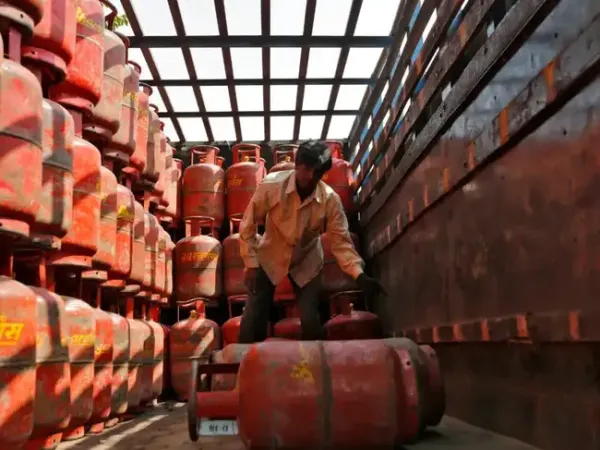
The decision comes in the wake of the month-long West Asia conflict, which has hit energy supply chains, particularly liquefied petroleum gas (LPG). India imports about 60% of its LPG requirements, with 85–90% sourced from Gulf countries. Supplies from the region have been disrupted, leading to curbs on availability for commercial users such as hotels and restaurants.
While domestic households have been prioritised for LPG distribution, constrained supplies have triggered panic buying and long queues in several areas.
To ease the pressure, the government has temporarily allowed the use of kerosene for cooking and lighting nationwide, including in the 21 states and UTs that had previously phased it out.
The Ministry of Petroleum and Natural Gas issued a notification on March 29 granting temporary exemptions under the Petroleum Act, 1934, and the Petroleum Rules, 2002, to enable distribution of PDS kerosene in these regions.
Under the order, up to two designated public sector oil marketing company (OMC) outlets per district—preferably company-owned and operated—can store up to 5,000 litres of kerosene, subject to safety norms.
Dealers and agents have been exempted from obtaining licences for decanting kerosene at these outlets, while licensed tank vehicles will not require additional permits for the same activity.
Also Read: Cooking under LPG crisis: Delhi eateries battle 'beizatti' and rising costs
The exemptions are subject to strict compliance with safety and operational guidelines set by the Petroleum and Explosives Safety Organisation (PESO). Authorities have also mandated maintenance of detailed records on storage, handling and distribution for inspection by district officials and PESO.
The order takes immediate effect and will remain valid for 60 days or until further notice.
The notification covers 21 kerosene-free states and UTs, including Delhi, Chandigarh, Haryana, Punjab, Uttar Pradesh, Rajasthan, Goa, Madhya Pradesh and Gujarat, and is aimed at ensuring uninterrupted access to cooking and lighting fuel for households amid the ongoing geopolitical crisis.
(With inputs from PTI)
Also Read: Factories firing on all cylinders as LPG supply eases
The decision comes in the wake of the month-long West Asia conflict, which has hit energy supply chains, particularly liquefied petroleum gas (LPG). India imports about 60% of its LPG requirements, with 85–90% sourced from Gulf countries. Supplies from the region have been disrupted, leading to curbs on availability for commercial users such as hotels and restaurants.
While domestic households have been prioritised for LPG distribution, constrained supplies have triggered panic buying and long queues in several areas.
To ease the pressure, the government has temporarily allowed the use of kerosene for cooking and lighting nationwide, including in the 21 states and UTs that had previously phased it out.
The Ministry of Petroleum and Natural Gas issued a notification on March 29 granting temporary exemptions under the Petroleum Act, 1934, and the Petroleum Rules, 2002, to enable distribution of PDS kerosene in these regions.
Under the order, up to two designated public sector oil marketing company (OMC) outlets per district—preferably company-owned and operated—can store up to 5,000 litres of kerosene, subject to safety norms.
Dealers and agents have been exempted from obtaining licences for decanting kerosene at these outlets, while licensed tank vehicles will not require additional permits for the same activity.
Also Read: Cooking under LPG crisis: Delhi eateries battle 'beizatti' and rising costs
The exemptions are subject to strict compliance with safety and operational guidelines set by the Petroleum and Explosives Safety Organisation (PESO). Authorities have also mandated maintenance of detailed records on storage, handling and distribution for inspection by district officials and PESO.
The order takes immediate effect and will remain valid for 60 days or until further notice.
The notification covers 21 kerosene-free states and UTs, including Delhi, Chandigarh, Haryana, Punjab, Uttar Pradesh, Rajasthan, Goa, Madhya Pradesh and Gujarat, and is aimed at ensuring uninterrupted access to cooking and lighting fuel for households amid the ongoing geopolitical crisis.
(With inputs from PTI)