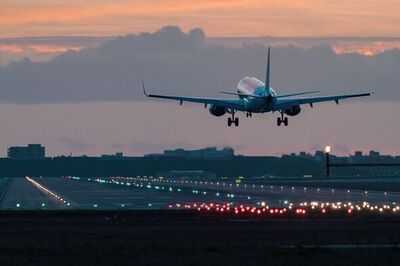
Flights to sought-after European holiday destinations, including Spain, will face a new £32 charge from April. Air Passenger Duty (APD) rates are set to rise next week, which is expected to lead to higher ticket costs for travellers.
APD is a tax paid by airline operators to HMRC for passengers departing from UK airports, with the rates differing according to flight distance and travel class. It applies to passengers aged 16 or over on both domestic and international flights and was initially introduced in 1994 to help counterbalance the environmental impact of air travel. Whilst the tax is paid by airline operators, ticket prices typically incorporate a charge to cover this expense, and airlines subsequently pass the fee to HMRC, meaning any rise in APD generally translates to more costly air fares for UK travellers. HMRC has announced the new APD rates from April 1, 2026, to March 31, 2027, and depending on your destination and travel class, the rates range between £8 and £1,141 per person.

Economy passengers will pay the lowest APD, while business and first class passengers will pay higher charges, though the fee will naturally vary by flight distance.
Flight taxes are categorised into four bands, with the least expensive being domestic flights and those falling under Band A.
From April, charges for economy class on domestic flights will increase from £14 to £16, whilst business class rates will rise from £84 to £142. Band A encompasses flights ranging from zero to 2,000 miles, covering all of Europe and most of North Africa.
This means travel to popular European destinations such as Spain, France, Portugal, and Greece would fall into this category. From April 1, economy passengers travelling to Band A destinations will face a £28 charge, a £4 increase from the current £32 fee.
Meanwhile, those flying in business, first or premium economy classes will see rates rise from £84 to £142. Band B includes flights between 2,001 and 5,500 miles, encompassing destinations like the USA, Canada, United Arab Emirates, and India.
Economy passengers travelling to Band B destinations will experience an increase in rates from £216 to £244 from April, whilst those in higher classes will pay £1,097 instead of £647.
Band C applies to destinations over 5,500 miles from the UK, such as Australia, New Zealand, and Thailand. Economy rates for these destinations will rise from £224 to £253, and premium rates will increase from £674 to £1,141.
The Office for Budget Responsibility (OBR) forecasts that the latest increase will generate £5.2 billion for the exchequer by 2027, compared to £4.6 billion this year.
Here is a comprehensive breakdown of the new APD rates from April 1, 2026, to March 31, 2027, for flights in each band:
Domestic band
Reduced rate (lowest class of travel) - £8
Standard rate (other than the lowest class of travel) - £16
Higher rate - £142
Band A (flights from 0 to 2,000 miles)
Reduced rate - £15
Standard rate - £32
Higher rate - £142
Band B (flights from 2,001 to 5,500 miles)
Reduced rate - £102
Standard rate - £244
Higher rate - £1,097
Band C (flights more than 5,500 miles)
Reduced rate - £106
Standard rate - £253
Higher rate - £1,141
-
Can GABA Tea Help With Hangovers And Reduce Stress? Here’s What We Know

-
Dr. B.R. Ambedkar Birth Anniversary 2026

-
5 Rarest Jewellery Pieces Worn by the Ambani Family

-
TV Stars Summer Tips: Secrets to stay cool in summer, TV stars revealed their secrets

-
Sita Navami 2026: When is Sita Navami 2026? Note down the exact date, method of worship and auspicious time.