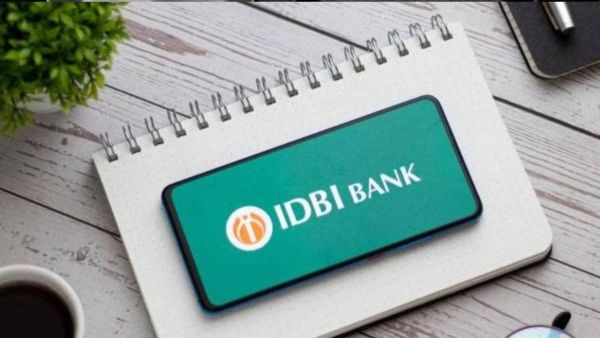
Shares of IDBI Bank tumbled sharply on Monday, March 16, 2026, after reports emerged that the Indian government may scrap the ongoing bidding process for the bank’s majority stake sale. The development triggered a massive sell-off in the stock during early trade, marking its steepest single-day fall in nearly two years.
The stock opened significantly lower and plunged as much as 15.35% to an intraday low of ₹78.05, reflecting strong investor concern over the uncertainty surrounding the privatization process.
On Friday (March 13), the previous trading session, the stock had already shown weakness, closing at ₹92.18. Monday’s crash wiped out billions in market value as investors reacted swiftly to the possibility that the long-awaited strategic sale may be abandoned.
The sudden decline shows investor disappointment after they had priced in potential gains from the lender's privatization.
Privatization Process Hits Major Roadblock
The government, through the Department of Investment and Public Asset Management, along with state-owned insurer Life Insurance Corporation of India, had planned to offload a combined 60.72% stake in the lender.
The proposed stake sale included:
- 30.48% stake from the Government of India
- 30.24% stake from LIC
However, reports indicate that financial bids submitted by interested investors fell significantly below the government’s undisclosed reserve price, making the transaction unviable.
Who Were the Bidders?
Two global financial institutions had remained in the race for acquiring a controlling stake in the bank.
- Fairfax Financial Holdings
- Emirates NBD
Earlier in the process, Kotak Mahindra Bank had also evaluated the opportunity but eventually opted out of the bidding process. The gap between the bidders’ valuation and the government’s expectations likely stemmed from the high “control premium” embedded in the reserve price, which potential buyers were unwilling to match given current global financial uncertainty.
Global and Market Conditions Weigh on Deal
The failed bid process comes at a time when global financial markets are experiencing heightened volatility. Analysts point to geopolitical tensions and rising energy prices as factors that may have made investors cautious about committing large sums to banking acquisitions.
Crude oil prices have surged in recent weeks, with Brent crude oil trading above $104 per barrel, adding pressure on emerging markets and dampening investor appetite for large-scale privatization deals.
The setback is expected to have broader implications for the government’s fiscal strategy.
For the current financial year ending March 31, 2026, the government had set a ₹47,000 crore disinvestment target. The scrapping of the IDBI stake sale makes it increasingly likely that the target will be missed.
Looking ahead, the impact could also spill into the next fiscal year. For FY27, the government has set a significantly higher disinvestment goal of ₹80,000 crore, with the IDBI transaction widely expected to serve as the anchor deal.
The uncertainty around the bank’s privatization may therefore complicate the government’s broader plan to accelerate strategic stake sales in state-owned enterprises.
For investors, the immediate focus will remain on whether the government decides to restart the bidding process with revised valuation expectations or explore alternative routes for privatizing the lender.
Until greater clarity emerges, heightened volatility in IDBI Bank’s stock is expected, as the market reassesses the timeline and probability of the long-pending privatization.
-
A Disgusting Thing? This Phil Salt Record In RR vs RCB IPL 2026 Game Will Shatter The Fans
-
Will MS Dhoni Play In The CSK vs DC IPL 2026 Game? The Actual Return Date
-
This special tea increases the inner strength of men! There will be neither tiredness nor shortness of breath’ – News Himachali News Himachali

-
Shani Ke Upay: Saturn’s Mahadasha and Sadesati are troubling you? You will get relief from these sure shot remedies

-
NASA’s Artemis II crew makes historic return with Pacific splashdown