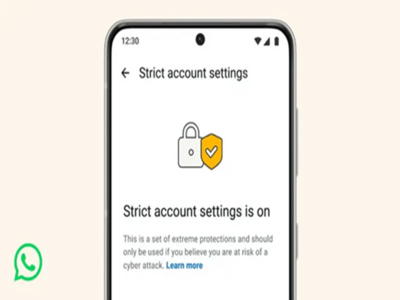
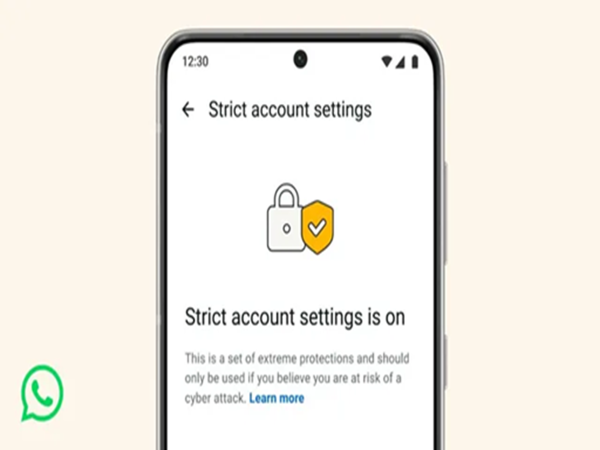
For some time now, WhatsApp has been announcing one new feature after another for its users. In this series, the company has now announced another new security feature, aimed at protecting vulnerable individuals from advanced cyberattacks. Yes, the company has added a new strict account setting to the platform.
This feature essentially locks the targeted user's account to the most restrictive settings, immediately blocking attachments and other media from people not in their contact list. The company says this new security feature will be available on all users' phones in the coming weeks.
How to enable Strict Account Settings on WhatsApp?
WhatsApp explained in its blog post that the new strict account settings feature is for journalists or public figures who are at a higher risk of cyberattacks. In simpler terms, this setting turns on a lockdown mode on the WhatsApp account, limiting the functionality of the instant messaging platform.
To enable this setting, open the WhatsApp app.
Then go to Settings and then to Privacy.
Now, you can enable it under Advanced settings.
Protection against cyberattacks and spyware
These new strict account settings take your safety on WhatsApp to the next level, aiming to protect vulnerable users from cyberattacks and spyware. Furthermore, this Meta app has also introduced a programming language called Rust to protect photos, videos, and messages from potential security breaches.
Disclaimer: This content has been sourced and edited from Dainik Jagran. While we have made modifications for clarity and presentation, the original content belongs to its respective authors and website. We do not claim ownership of the content.
-
AI firms flex lobbying muscle on both side of Atlantic

-
Kerala Karunya KR-751 lottery result out today (25-04-2026); Rs 1 crore prize winning number and full list here

-
PTM drama at its finest! Schoolgirl's epic 'jugaad' with Rapido rider as brother steals hearts online

-
How to identify snake eggs in your garden

-
US judge dismisses Elon Musk's fraud claims in OpenAI case at his request, plans to proceed to trial